 Turkey (Turkish)
 Germany (German)
 Worldwide (English)


For “Disk Management and RAW file system”, use a controlled procedure with a rollback path.

 Halkali merkez neighborhood fatih st ozgur apt no 46 , Kucukcekmece , Istanbul , 34303 , TR
Recover Data from a Corrupted SD Card: RAW, Format and Hardware Failure with safe, technical and vendor-neutral guidance.
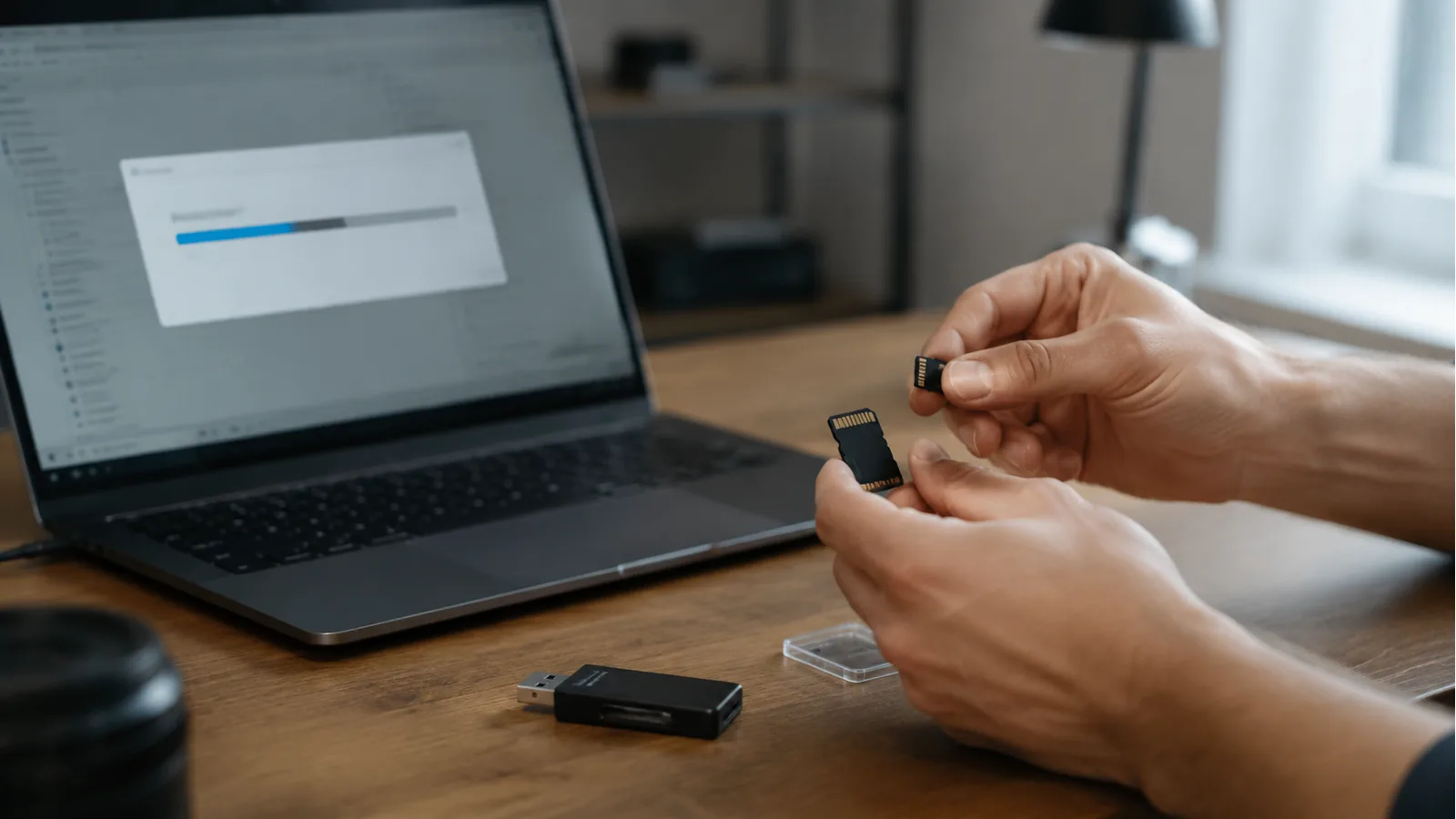
The safest approach is to classify the loss or security condition, preserve the current state and apply verifiable methods in order. No single tool or setting produces the same result in every scenario.
Begin with “Stop using the card” and preserve the current state before any irreversible change. Treat “Adapter lock, reader and connection tests” as a separate diagnostic layer and record every test result.
For “Disk Management and RAW file system”, use a controlled procedure with a rollback path.
During “Create a sector-level image”, verify permissions, logs, timestamps and dependencies.
Begin with “Stop using the card” and preserve the current state before any irreversible change. During “Create a sector-level image”, verify permissions, logs, timestamps and dependencies.
Treat “Adapter lock, reader and connection tests” as a separate diagnostic layer and record every test result. For “Disk Management and RAW file system”, use a controlled procedure with a rollback path.
For “Disk Management and RAW file system”, use a controlled procedure with a rollback path. During “Create a sector-level image”, verify permissions, logs, timestamps and dependencies.
Before “File-system and signature recovery”, create a usable recovery point and test restoration.
Approach “Camera and phone format warnings” with least privilege and limited network exposure.
For “Disk Management and RAW file system”, use a controlled procedure with a rollback path. Approach “Camera and phone format warnings” with least privilege and limited network exposure.
During “Create a sector-level image”, verify permissions, logs, timestamps and dependencies. Before “File-system and signature recovery”, create a usable recovery point and test restoration.
Before “File-system and signature recovery”, create a usable recovery point and test restoration. Approach “Camera and phone format warnings” with least privilege and limited network exposure.
In “NAND and controller failure signs”, compare the expected outcome with measurable evidence.
After “Validate recovered data”, retest from a clean session or a second device.
Before “File-system and signature recovery”, create a usable recovery point and test restoration. After “Validate recovered data”, retest from a clean session or a second device.
Approach “Camera and phone format warnings” with least privilege and limited network exposure. In “NAND and controller failure signs”, compare the expected outcome with measurable evidence.
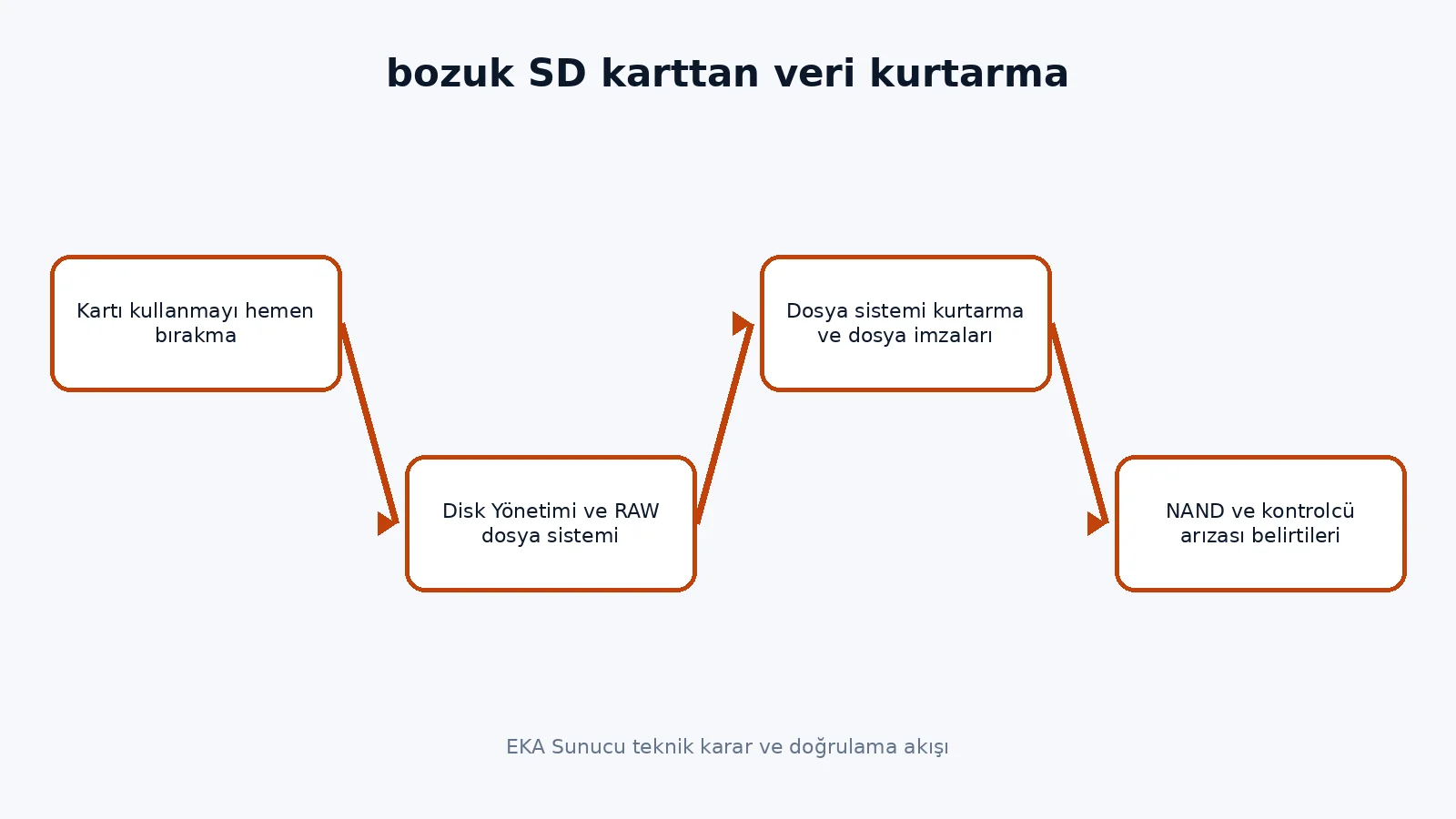
In “NAND and controller failure signs”, compare the expected outcome with measurable evidence. After “Validate recovered data”, retest from a clean session or a second device.
Document “Stop using the card” with the date, settings and observed result.
Finish “Adapter lock, reader and connection tests” by enabling monitoring and actionable alerts.
In “NAND and controller failure signs”, compare the expected outcome with measurable evidence. Finish “Adapter lock, reader and connection tests” by enabling monitoring and actionable alerts.
After “Validate recovered data”, retest from a clean session or a second device. Document “Stop using the card” with the date, settings and observed result.
Document “Stop using the card” with the date, settings and observed result. Finish “Adapter lock, reader and connection tests” by enabling monitoring and actionable alerts.
Begin with “Stop using the card” and preserve the current state before any irreversible change.
Treat “Adapter lock, reader and connection tests” as a separate diagnostic layer and record every test result.
Document “Stop using the card” with the date, settings and observed result. Treat “Adapter lock, reader and connection tests” as a separate diagnostic layer and record every test result.
Finish “Adapter lock, reader and connection tests” by enabling monitoring and actionable alerts. Begin with “Stop using the card” and preserve the current state before any irreversible change.
Begin with “Stop using the card” and preserve the current state before any irreversible change. Treat “Adapter lock, reader and connection tests” as a separate diagnostic layer and record every test result.
For “Disk Management and RAW file system”, use a controlled procedure with a rollback path.
During “Create a sector-level image”, verify permissions, logs, timestamps and dependencies.
Begin with “Stop using the card” and preserve the current state before any irreversible change. During “Create a sector-level image”, verify permissions, logs, timestamps and dependencies.
Treat “Adapter lock, reader and connection tests” as a separate diagnostic layer and record every test result. For “Disk Management and RAW file system”, use a controlled procedure with a rollback path.
For “Disk Management and RAW file system”, use a controlled procedure with a rollback path. During “Create a sector-level image”, verify permissions, logs, timestamps and dependencies.
Before “File-system and signature recovery”, create a usable recovery point and test restoration.
Approach “Camera and phone format warnings” with least privilege and limited network exposure.
For “Disk Management and RAW file system”, use a controlled procedure with a rollback path. Approach “Camera and phone format warnings” with least privilege and limited network exposure.
During “Create a sector-level image”, verify permissions, logs, timestamps and dependencies. Before “File-system and signature recovery”, create a usable recovery point and test restoration.
Before “File-system and signature recovery”, create a usable recovery point and test restoration. Approach “Camera and phone format warnings” with least privilege and limited network exposure.
In “NAND and controller failure signs”, compare the expected outcome with measurable evidence.
After “Validate recovered data”, retest from a clean session or a second device.
Before “File-system and signature recovery”, create a usable recovery point and test restoration. After “Validate recovered data”, retest from a clean session or a second device.
Approach “Camera and phone format warnings” with least privilege and limited network exposure. In “NAND and controller failure signs”, compare the expected outcome with measurable evidence.
No. Results depend on the device, backup, file system and actions taken after the incident. A guaranteed success claim is not technically credible.
Preserve the current state, stop unnecessary writes or changes, record dates and confirm a rollback route.
Free methods can diagnose and solve basic cases. Decide using data value, privacy and rollback risk rather than price alone.
An incorrect restore, reset or write to the source can replace current data. Confirm the target and rollback effect before every step.
Time ranges from minutes to days depending on data volume, connectivity, hardware health and verification depth.
Use professional assessment for physical failure, business records, legal evidence, encryption or a single remaining copy.
The page was technically reviewed on 12 August 2026 against official documentation and current practice. Recheck sources after major version changes.
A backup provides rollback, version comparison and shorter recovery time in addition to basic recovery.
Send your server, backup, security or custom configuration requirements through our existing contact page.